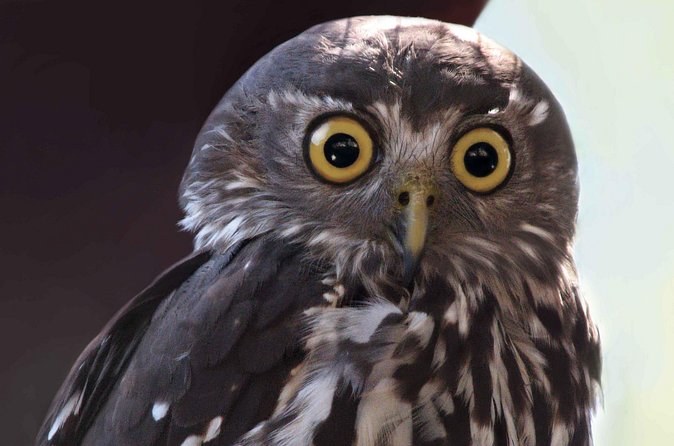
Small Group Kangaroo Island Evening and Night Tour
Two to three hours after dark by 4WD from Kingscote, eight guests at most, looking for wallabies, possums and owls.
From $103 per person (minimum 2)
Check AvailabilityYou come here for the animals, and most of them keep to a timetable. Sea lions haul out on one beach, fur seals on one headland, and the kangaroos graze at the edges of the day. This is where each one lives and which of the Kangaroo Island guided tours will find it for you.
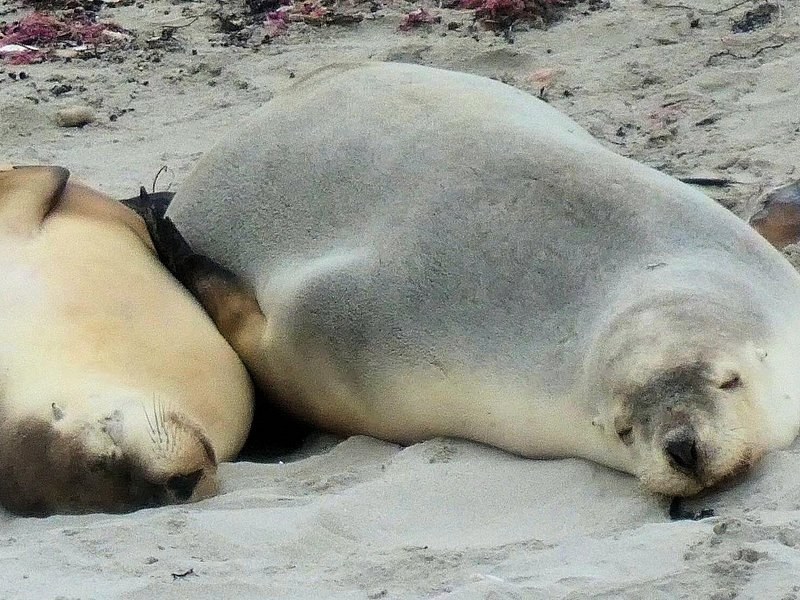
The Australian sea lion is one of the rarest seals in the world. Kangaroo Island Tourism puts the whole population at fewer than 12,000. Seal Bay, on the south coast, holds the world's third-largest breeding colony, according to the parks service.
Sea lions are eared seals. They prop themselves up on their front flippers and walk on land. They spend up to three days at sea fishing, then up to three ashore resting and feeding pups, so you always find some asleep on the sand.
Fur seals are a different animal. They live along rocky shores and breed in colonies, and the one you can reach is below Admirals Arch at Cape du Couedic. You look down on them from the boardwalk as it drops to the arch.
Their pups are usually born in December and January. Summer is also their mating season, and Kangaroo Island Tourism says you can watch the territorial fights from the boardwalk.
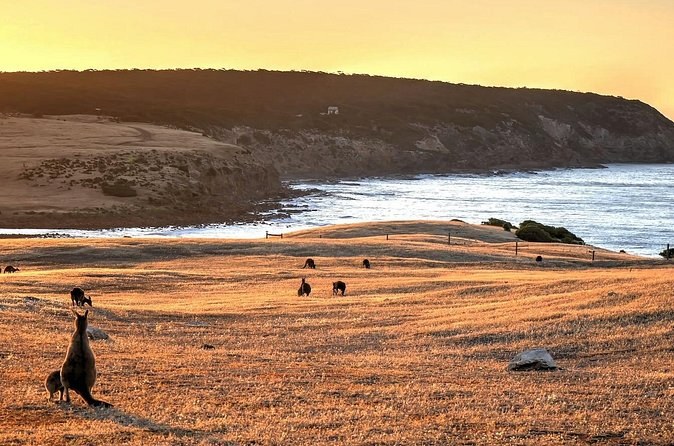
The kangaroo here is its own subspecies: smaller, darker and longer-furred than its mainland relative. In the day it rests under bushes. It comes out to graze in the early morning and late afternoon, which is when the full days find them in the paddocks.
Tammar wallabies are nocturnal. They rest in low scrub by day and move through tunnels in it to reach the grass at dusk. In winter the joeys start to leave the pouch, which is one reason Kangaroo Island Tourism calls June to August its season.
Koalas were not on the island when Europeans arrived. In the 1920s conservationists released 18 of them in Flinders Chase National Park to protect the mainland population. They spread across the island.
A koala spends the day asleep in a tree fork, so look for a grey ball high in the canopy. It climbs up to feed around dusk. In summer you hear the males' deep mating call. The koala walk at Vivonne Bay and the daytime e-fatbike ride both state a guaranteed koala sighting on their listings.
Short-beaked echidnas live in every kind of habitat on the island. They are usually alone, but from May to September the males form trains behind a female. You may pass one nosing along a roadside at any hour.
The island also has the only wild platypus in South Australia, introduced to Flinders Chase in the 1920s. The Platypus Waterholes walk goes through their habitat, but they are shy.
After dark is when most of the animals are awake. The night tours from Kingscote go out with torches: an evening tour around the Bay of Shoals, and a nocturnal tour into the Wisanger bush. They look for wallabies, brush-tailed possums, western grey kangaroos, owls and echidnas.
The evening and nocturnal tours leave Kingscote at dusk with a guide and a torch. Compare them with the daytime wildlife outings.
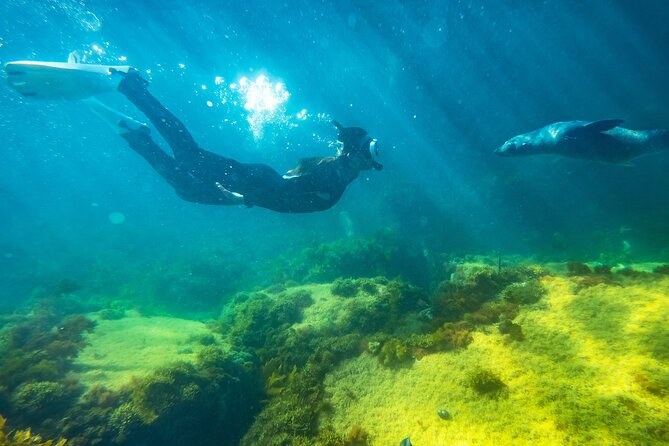
The boats from Penneshaw look for dolphins and seals. One is a 75-minute coastal safari. The other puts you in the water in a wetsuit to snorkel, and nobody swims near a pod with calves.
Whales pass between mid-May and late October, on their way from sub-Antarctic water to calve and mate. Most are southern right whales, but the parks service also records sperm whales, humpbacks, blue whales and the occasional orca. Watch from the cliff lookouts in the west.
The glossy black cockatoo is the island's rarest bird. It feeds by day and returns to its nest at dusk. Kangaroo Island Tourism names Western River Cove on the north coast as one of its habitats, and winter as the best time to see it and the raptors.
Cape Barren geese are here from autumn to early spring. Murray Lagoon, next to the sea lion colony, is a wetland full of water birds. Bring binoculars.
The parks service asks the same of every visitor, on a tour or on your own. Put the animal first, and let it decide how close you get.
By day, watch for goannas and snakes basking on warm roads, and for echidnas and birds feeding along the verges.
Match the animal you most want to see with the time of day and the tour that looks for it.
| Animal | Where you see it | When | Tours that look for it |
|---|---|---|---|
| Australian sea lion | The colony on the south coast | All year; pups January to June in some years | Most full days, the 2-day and 3-day trips |
| Long-nosed fur seal | The arch at Cape du Couedic | All year; pups December and January | Most full days, the overnight trips, the boats |
| Kangaroo Island kangaroo | Paddocks and bush edges | Early morning and late afternoon | Every full day and the night tours |
| Tammar wallaby | Low scrub and grass | Dawn, dusk and after dark | Both night tours from Kingscote |
| Koala | Gum trees | All year; calling in summer | The koala walk, the daytime e-fatbike ride, the full days |
| Short-beaked echidna | Every habitat | All year; trains May to September | The full days and the night tours |
| Dolphins | Off Penneshaw | All year | Both boats from Penneshaw |
| Southern right whale | Off the coast | Mid-May to late October | None is sold as a whale tour; watch from the cliffs |
The animal descriptions, seasons and rules are the parks service's and Kangaroo Island Tourism's, read 24 September 2026. What each tour looks for comes from its own listing, saved on 24 September 2026.
Two to three hours after dark by 4WD from Kingscote, eight guests at most, looking for wallabies, possums and owls.
From $103 per person (minimum 2)
Check Availability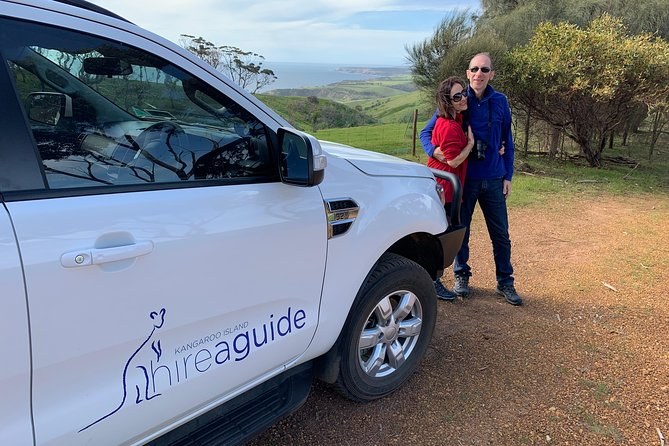
A day by 4WD to the sea lion colony and the north coast bays, eight guests at most, with park fees and a barbecue lunch.
From $300 per person (minimum 2)
Check Availability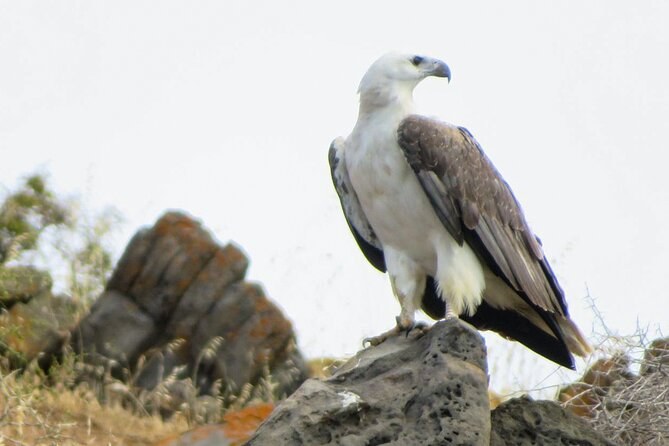
Seventy-five minutes by boat from Penneshaw looking for dolphins, seals and sea eagles; the fare cannot be refunded.
From $62 per person (minimum 2)
Check AvailabilityNext: choose the month for the animal you want, read how the sea lion colony works now, or compare every fare on Kangaroo Island Tours.