Where to See Koalas on Kangaroo Island
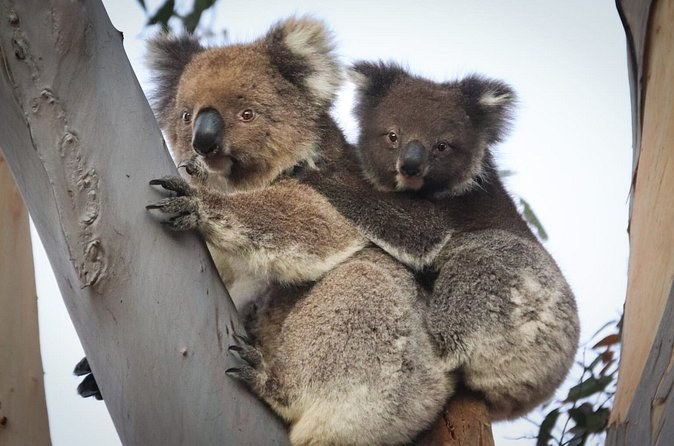
The short answer. Koalas live in the island’s gum forests, but they sit high and still, so they are easy to miss. The surest way to see one is a guided walk or ride near the dunes at Vivonne Bay, where a sighting is part of the promise; the walk costs from $55. Night drives from Kingscote find them too. On your own, look up into the canopy around dusk. The Kangaroo Island Australia tours that include koalas are set out below.
Why the island has koalas at all
Koalas are not native here. The parks service records that there were none on the island when Europeans arrived. In the 1920s, conservationists released 18 koalas in Flinders Chase to protect a declining mainland population. They settled quickly, their numbers grew, and they spread across the island.
They have done so well that their favourite food tree, the manna gum, is now at risk of local extinction. Today you find koalas in gum forests right across the island, from the south coast to the lagoons in the middle.
How to spot one yourself
Koalas spend most of the day asleep in the fork of a tree. Around dusk they usually climb into the canopy to feed. The parks service suggests you look for a round grey ball high in the branches, or for movement between them.
- Look up, not ahead: scan the forks of tall gum trees.
- Go late: the hour before dark is when they move.
- Listen in summer: it is mating season, and males call from the treetops.
- Keep your distance: never feed wildlife; human food can make animals ill or kill them.
A good place to try on foot is Duck Lagoon, a short walk where koalas and birds are often seen. The wildlife page covers the other animals you will meet, and the island map shows where the lagoon sits.
The walks and rides that promise a koala
The koala walk, the buggy and both e-bike rides at Little Sahara, the white dunes at Vivonne Bay, include a koala sighting in their own terms. The walk, the buggy and the dusk ride pass through gum forest around 500 years old.
| Outing | How you travel | Length | Fare from |
|---|---|---|---|
| Koala walk | On foot, 15 guests at most | 1 hour 50 | $55 |
| Dune buggy | Guided buggy, 8 at most | 1 hour 50 | $105 |
| E-fatbike ride | Electric bike, 10 at most | 1 hour 50 | $126 |
| After-hours e-fatbike | Electric bike from 3:30pm | 1 hour 50 | $140 |
Travellers count koalas by the dozen here. Janice_F saw more than 20 on the walk, and Katherine_S counted 18, with a guide who knew the koalas and the plant life well. On the buggy, Linna_T found 16, including five mothers with young. Linna_T also found it a good stop on the drive west to the rocks. Not every walk is that busy: Maria_S found the forest dry for the season, though the koalas were active.
The walk needs moderate fitness, and you bring your own snacks and water. The buggy is wheelchair and stroller accessible. The bikes need a rider who can already ride.
What a guide adds
A guide knows which trees the koalas favour this week. On the walk near the dunes, Sarah_G saw eight koalas and watched the landscape change from forest to valleys to sand dunes. Peter_G’s guide spotted most of the koalas and explained the effects of the 2020 bushfires on the forest. The buggy crosses private land, which Catherine_K describes as a privately owned park, so it reaches forest you could not walk into alone.
Guides on other tours find koalas along the way, too. Yuka_Y spotted a wild koala from a quad bike track at Vivonne Bay.
Koalas and the fires
The far west of the island burned in the summer bushfires of 2019 and 2020, and the parks service now reports on how its wildlife has recovered since. Matthew_K, on a full day in November 2024, found the national parks had recovered significantly. The gum forests at Vivonne Bay, where the walks and rides that promise a koala run, are a short drive east of the park.
Where to look on your own
| Place | Why look there | Getting there |
|---|---|---|
| Duck Lagoon | A short walk with koalas and birds | Your own car |
| The north coast near Snelling Beach | A koala colony near the beach | Your own car |
| The far-west national park | Where the first koalas were released | Car; park entry fee |
| The gum forest at the dunes | Old trees on private land | Guided only |
At each, go in the late afternoon and walk slowly. If you do not find one, the guided walk is the reliable fallback.
The walk, the buggy or the bikes?
All four start from the same centre on the South Coast Road and take just under two hours, so the choice is about how you like to move.
- The walk is the cheapest and the slowest, which suits photographers. It needs moderate fitness, and there are 15 guests at most.
- The buggy suits anyone who cannot walk far. It adds a quiet beach, the cliff tops and a run over the dunes, and it takes wheelchairs and strollers.
- The e-bike ride covers the most ground, for riders who are happy on a bike in sand.
- The dusk ride starts at 3:30pm and ends on the dunes as the light goes low.
Koalas on the full-day tours
Most full days include a koala stop. The full day by 4WD from Kingscote visits a koala colony near Snelling Beach on the north coast, at the end of the day. The two days from Adelaide stop at Duck Lagoon, and Charissa_M found koalas in the trees around the camp at night. The far-west day by 4WD lists koalas among the animals to look out for.
The coach day with a hotel pickup includes a wildlife park, where you meet koalas with a keeper. That is a captive setting, not the wild; worth knowing if you are choosing between days.
Koalas after dark
At night, the guides use torches. On the private night drive from Kingscote, Gail_M saw many koalas high in the trees, picked out by flashlight. Tim_M called the secret koala spot the best part of the night. The shared 4WD night tour also lists koalas resting in the gum trees. Our post on what the night brings out compares the two.
When to go
Koalas are on the island all year. Summer brings the mating calls. Winter is cooler for walking, and the joeys of many animals appear. The best time to visit sets out each season, and the weather page gives the rain and temperature month by month.
If you are also visiting the national park, the visitor guide explains the park fees and the tour pass. Things to do places the dunes among the other south coast stops.
Book a tour that finds koalas
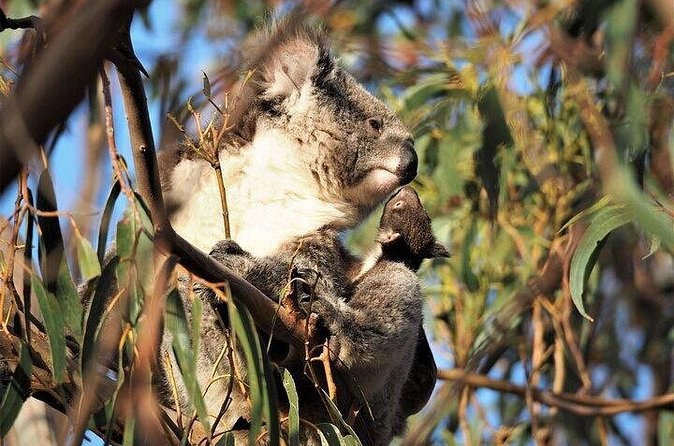
Koala Walking Tour in Kangaroo Island
A guided walk of just under two hours through old gum forest near the dunes, with a koala sighting promised.
From $55 per person (minimum 1)
Check Availability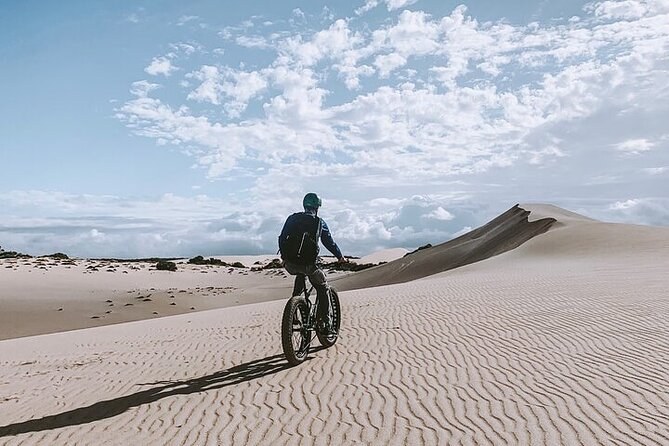
Electric Fat Bike Tour in Kangaroo Island
An electric fat bike ride through the dunes and bush near Vivonne Bay, ten riders at most; you need to ride a bike.
From $126 per person
Check Availability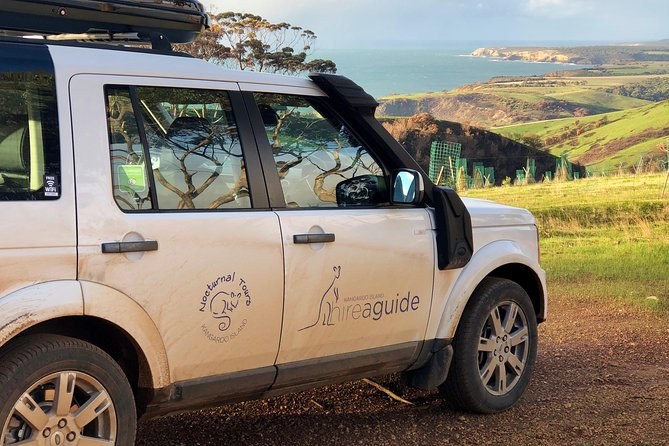
Small Group Kangaroo Island Tour - Best of KI in 2 Days
Two days by 4WD with eight guests at most and park fees paid; you book your own bed in Kingscote between them.
From $586 per person (minimum 2)
Check AvailabilityNext: taste the island’s honey, gin and wine in honey, gin, wine and lavender. Every fare sits side by side on Kangaroo Island Tours.